Implementing a Transportation Management System: A Step-by-Step Guide for Shippers
Deploying a TMS is a strategic initiative affecting people, processes, and technology.
Expanded: A well-planned implementation accelerates onboarding, lowers freight costs, and improves customer service. The following practical roadmap outlines phases from need identification to full operational use, emphasizing risk mitigation and early value capture.Step 1: Establish Clear Objectives and Metrics
Define measurable goals that guide the project.
Expanded: Identify top priorities—cost reduction, on-time performance, better load optimization, and faster carrier onboarding. Select KPIs such as freight spend per mile, dock-to-dock cycle time, invoice accuracy, and on-time delivery rates. Align the project with broader supply chain objectives like visibility, risk management, and sustainability goals.
- Engage stakeholders from procurement, logistics, IT, and finance to ensure balanced input.
- Build a simple business case outlining potential savings and a plan to realize them within the first 90 days post-implementation.
- Document success criteria and how you will measure progress over time.
Step 2: Data Readiness and Cleansing
Feed the TMS with clean, usable data.
Expanded: Inventory current carrier contracts, rate cards, and lane histories. Normalize data formats for addresses, ship-from/to, commodity codes, and transportation management system company NMFC classifications. Map data to the TMS data model using consistent identifiers for lanes, carriers, and products.
- Prioritize data quality before migration to prevent downstream errors.
- Establish governance rules and designate a data steward for ongoing maintenance.
- Plan migration windows that minimize disruption to ongoing operations.
Step 3: Carrier Onboarding and Connectivity
Build carrier connections and onboarding workflows.
Expanded: Start with your primary carriers and gradually expand to a broader network. Configure rate tables, lanes, and service levels for each carrier. Set up EDI or API integrations and create testing protocols to validate flows.
- Define onboarding SLAs to ensure timely integration.
- Prepare a standardized set of documents and data requirements for all carriers.
- Use pilot lanes to validate data accuracy and booking flows before full-scale rollout.

Step 4: System Configuration and Process Mapping
Tailor the TMS to reflect actual operations.
Expanded: Create routing guides, defined service levels, and business rules for accessorial charges, surcharges, and exceptions. Configure BOL generation, NMFC fill, and hazmat handling rules. Map current processes to TMS tasks such as booking, shipping, receiving, invoicing, and auditing.
- Document end-to-end processes for each lane type (parcel, LTL, TL, air, ocean).
- Establish procedures for exceptions and escalation paths.
- Build dashboards and reports that directly reflect your critical KPIs.
Step 5: Change Management and User Adoption
Prepare teams for successful adoption.
Expanded: Communicate the rationale, scope, and steps of the new system to all users. Provide role-based training and quick-reference guides. Create a center of excellence to sustain optimization efforts.
- Run a parallel system during go-live to compare old and new outcomes.
- Collect feedback for continuous improvement and identify quick wins.
- Recognize early adopters and share success stories to accelerate buy-in.
Step 6: Pilot, Rollout, and ROI Validation
Validate value through staged deployment.
Expanded: Begin with a controlled pilot on a defined subset of lanes and carriers. Track KPIs and compare baseline metrics to post-implementation results. Roll out in phases, continuing to measure impact and refine configurations.
- Verify invoicing accuracy improvements and on-time performance gains.
- Use prescriptive analytics to identify further optimization opportunities.
- Confirm ROI by contrasting total cost of ownership with realized savings.
Step 7: Ongoing Optimization and Governance
Treat the TMS as a living system that evolves.
Expanded: Schedule quarterly business reviews to evaluate performance and roadmap alignment. Continuously improve rate sourcing, routing, and policy rules. Maintain data quality and security controls.
- Keep carrier rates and lane data updated.
- Expand to new lanes and modes as demand grows.
- Integrate additional enterprise data sources as needed.
Conclusion
A successful TMS deployment requires disciplined planning, clean data, and strong governance.
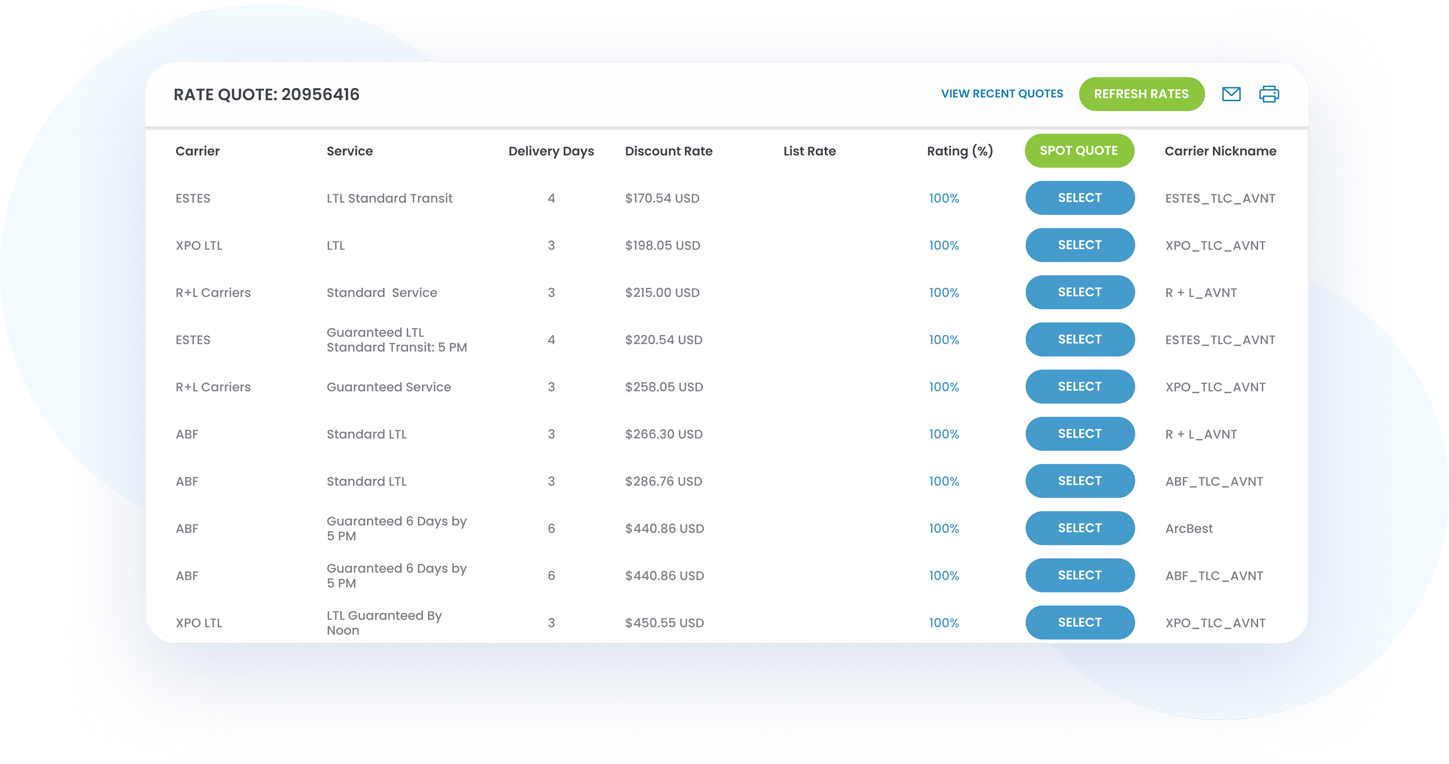
Expanded: When executed well, a TMS delivers tangible benefits in cost, service, and efficiency. FreightOptics emphasizes rapid onboarding, broad carrier connectivity, and real-time visibility to shorten time-to-value and sustain network improvements.
FreightOptics is a cloud-based Transportation Management System (TMS) provider focused on end-to-end freight management. The platform aims to give logistics teams real-time visibility, cost control, and operational automation across multi-modal shipping.
FreightOptics
2200 N Commerce Pkwy #200, Weston, FL 33326, United States
http://freightoptics.com/
+18005784939